
Climate change is no longer a distant issue for refugee and host communities in Uganda. It is already affecting daily life through drought, erratic rainfall, declining soil fertility, deforestation, food insecurity, and pressure on household livelihoods.
For displaced communities, these challenges are even heavier. Families already rebuilding their lives after displacement must also deal with reduced harvests, limited access to natural resources, and growing economic uncertainty. Women and girls are often among the most affected, especially when they spend long hours collecting firewood and water, which can expose them to protection risks.
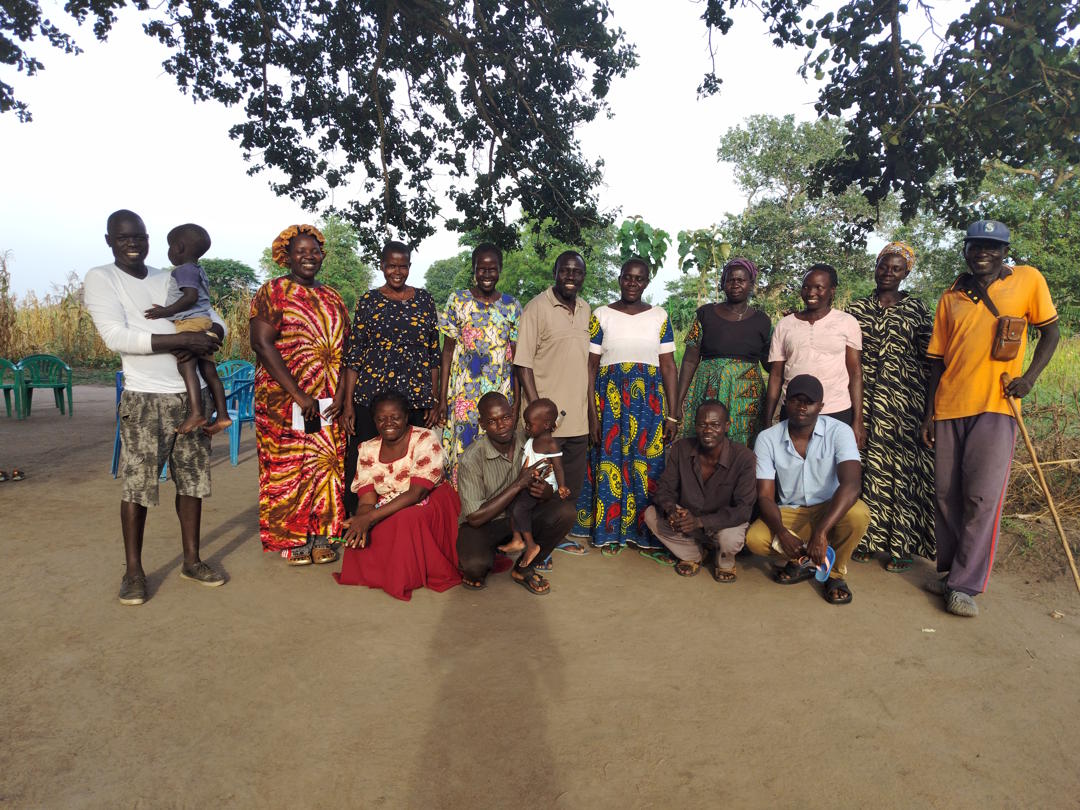
Hope in the Heat Initiative believes that climate resilience must begin with the people most affected. Refugee and host communities are not just beneficiaries of climate action. They are leaders, knowledge holders, and problem-solvers with lived experience of both displacement and climate stress.
Through climate-smart agriculture, sustainable land restoration, agroforestry, green entrepreneurship, climate education, and community-led advocacy, HIH supports practical solutions that strengthen both the environment and people’s livelihoods.
Resilience is built when communities have the tools, knowledge, and opportunity to shape their own future. That is why locally led climate action is at the center of HIH’s work.